
CASE STUDIES
On this page you will find additional information about selected projects.
SPEED LOADER
READ MORE ABOUT THE SPEED LOADER
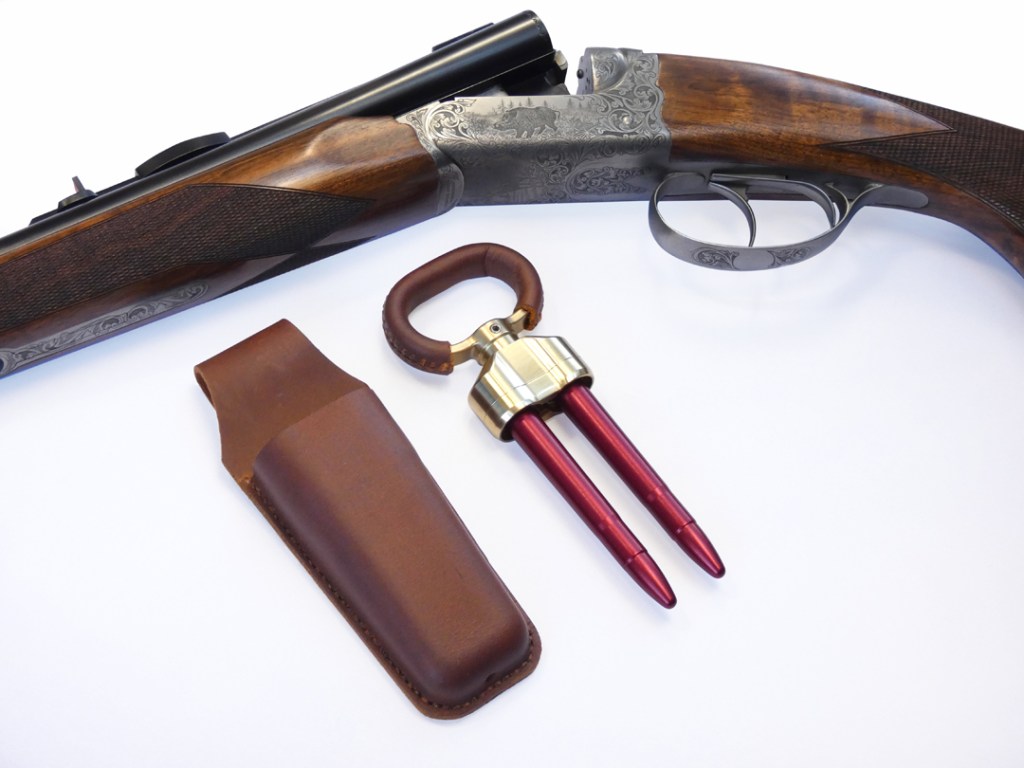
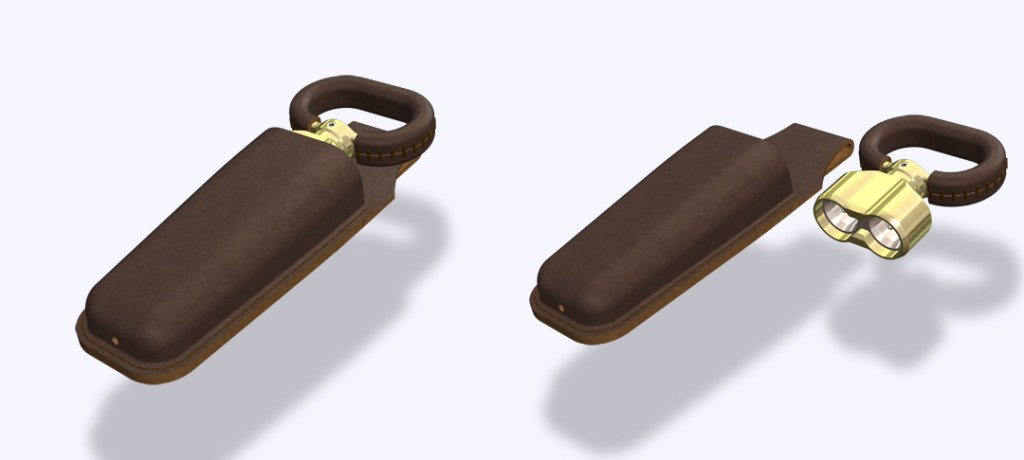
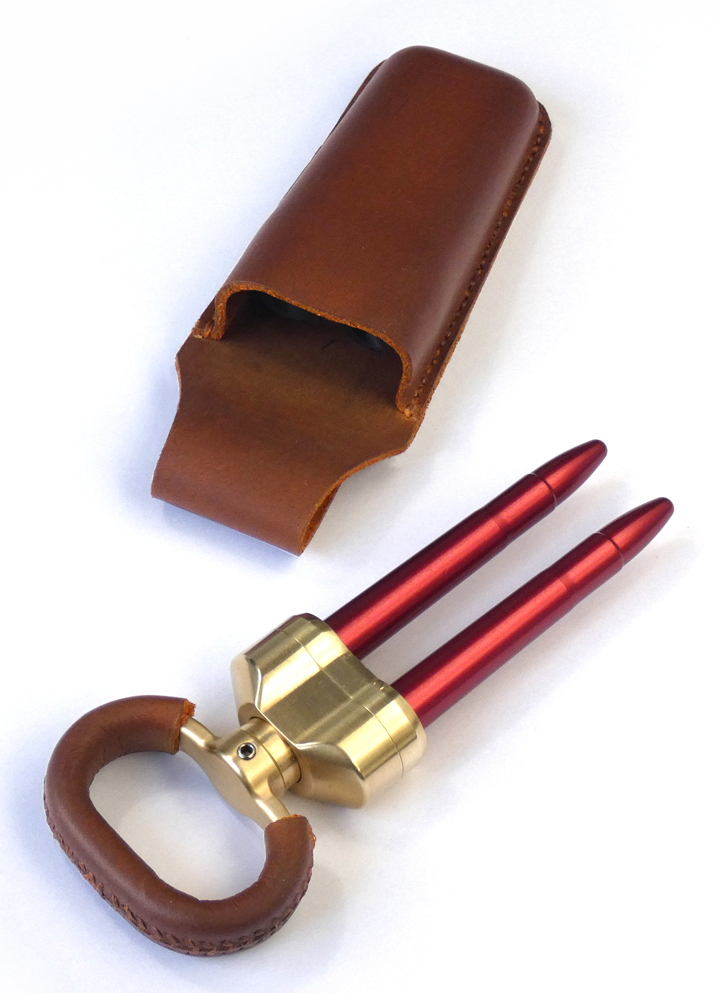
In high-pressure hunting situations, taking a follow-up shot can be a challenging task, and hunters often struggle with handling cartridges. This issue becomes particularly pronounced when pursuing dangerous game with double-barreled rifles. To address this problem, we have developed a speed loader designed to securely hold unfired cartridges in precise alignment with the barrel chambers. It also features an automatic cartridge release mechanism, releasing the cartridges when the speed loader is pushed against the breach.
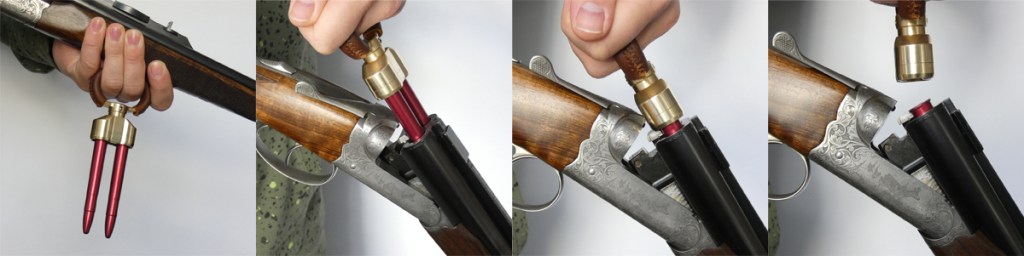
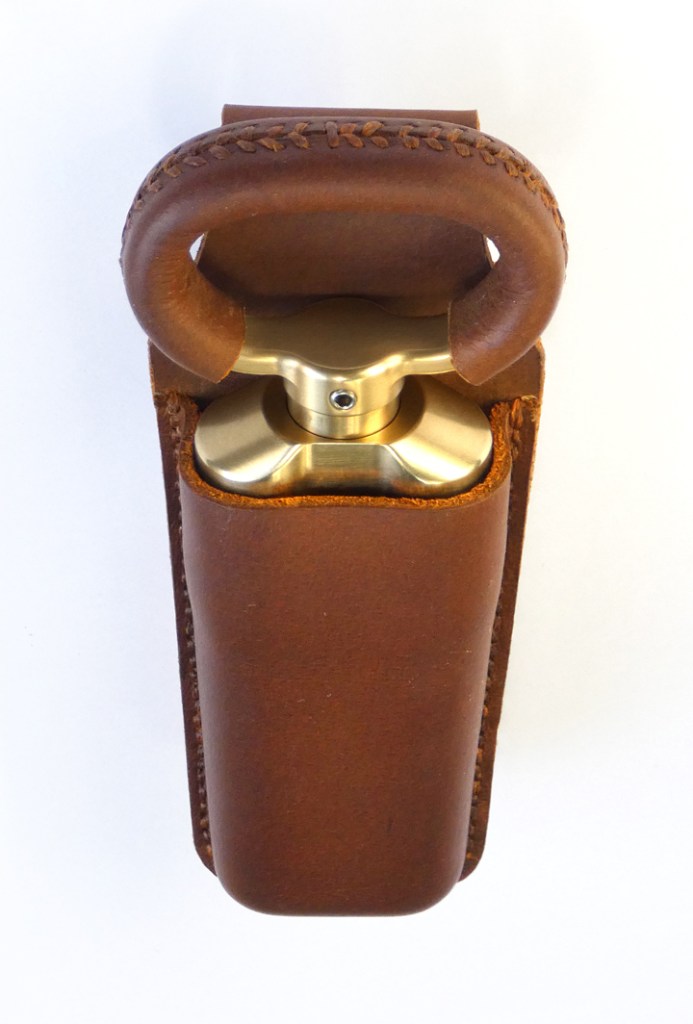
The speed loader is ergonomically designed to be comfortably held in the shooter’s fore end hand. After breaking the rifle open, the shooter can easily chamber the cartridges and smoothly resume their grip on the fore end, swiftly closing the action to take the follow-up.
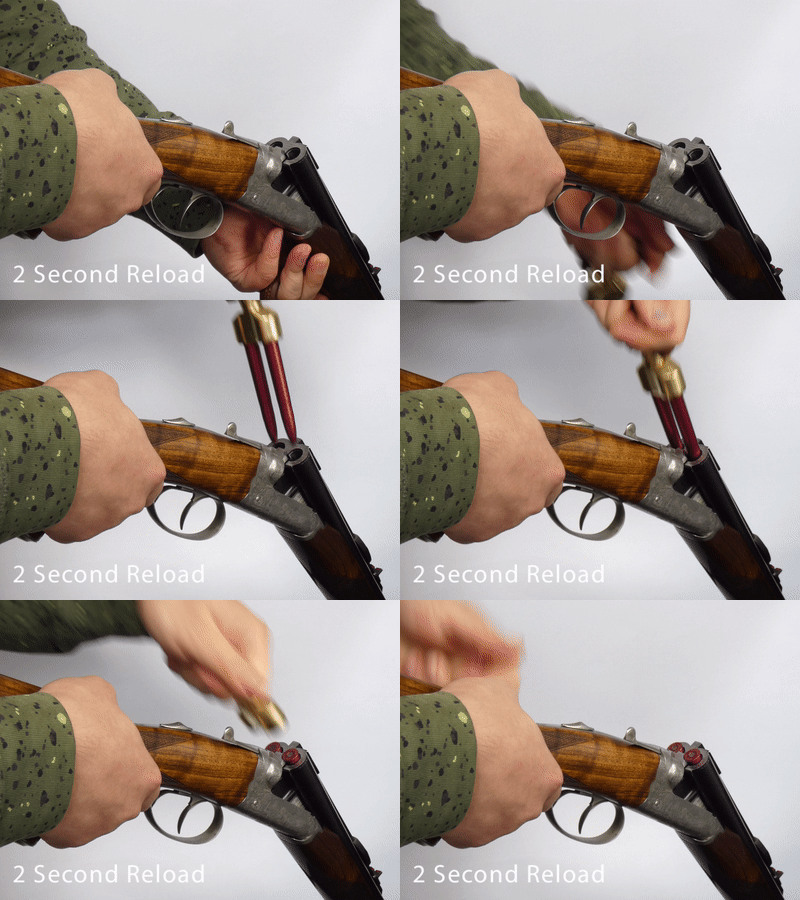
Our design takes into consideration the enormous recoil generated by dangerous game cartridge rifles and from the hazards of branches during the stalk so that cartridges do not get dislodged from the speed loader. To prevent any damage to the firearm, key components of the speed loader are made from brass and any areas that may interact with the wooden components of the firearm are wrapped with leather.
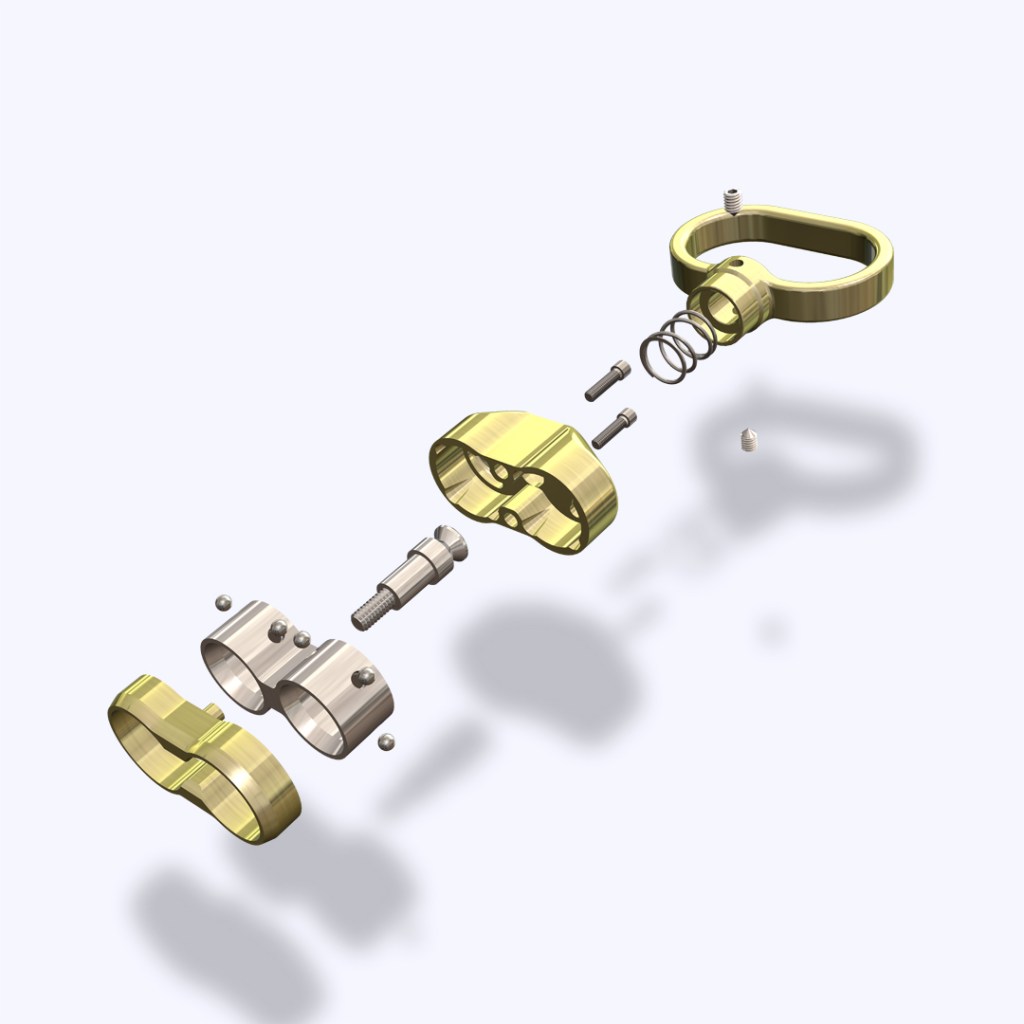
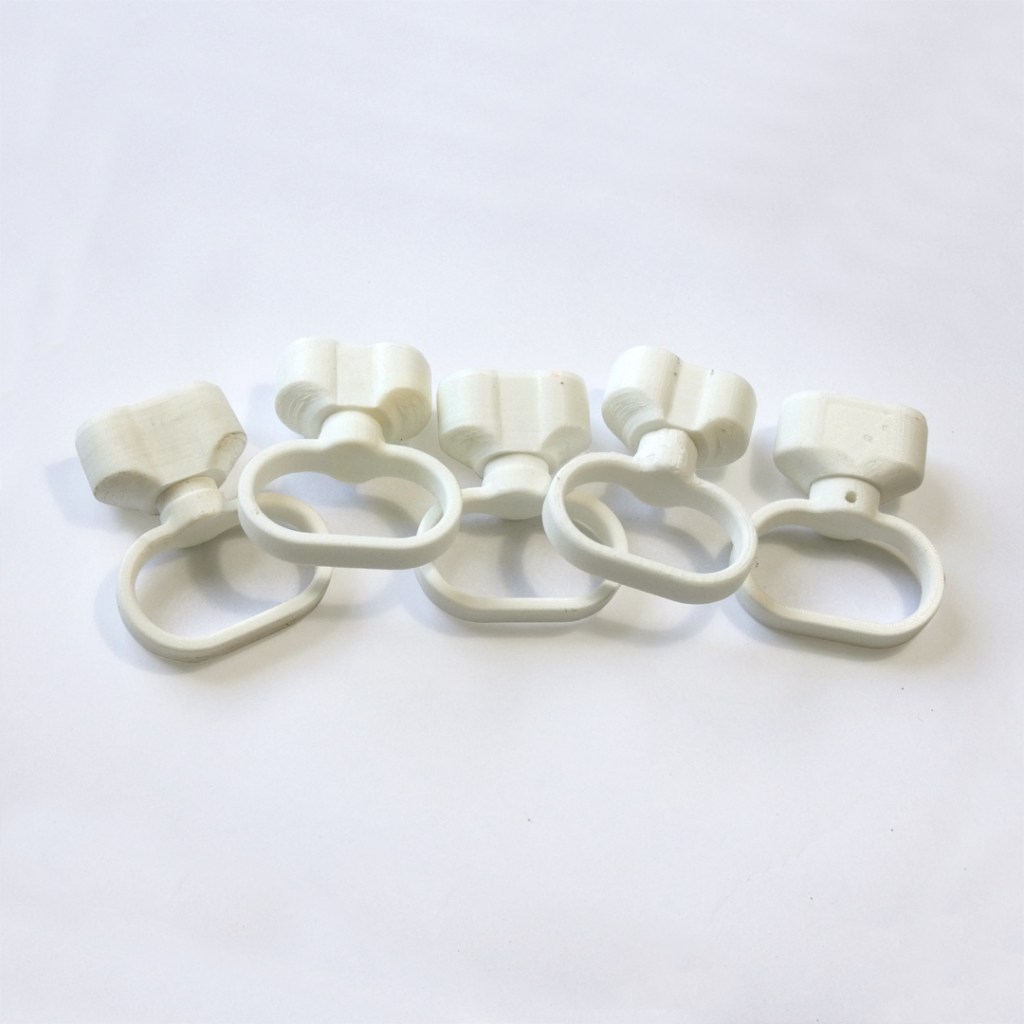
The development of this design was an iterative process, involving multiple prototypes to perfect the release mechanism and determine the ideal sizing of the finger loop.

CHIAPPA RHINO HOLSTER
READ MORE ABOUT THE CHIAPPA RHINO HOLSTER
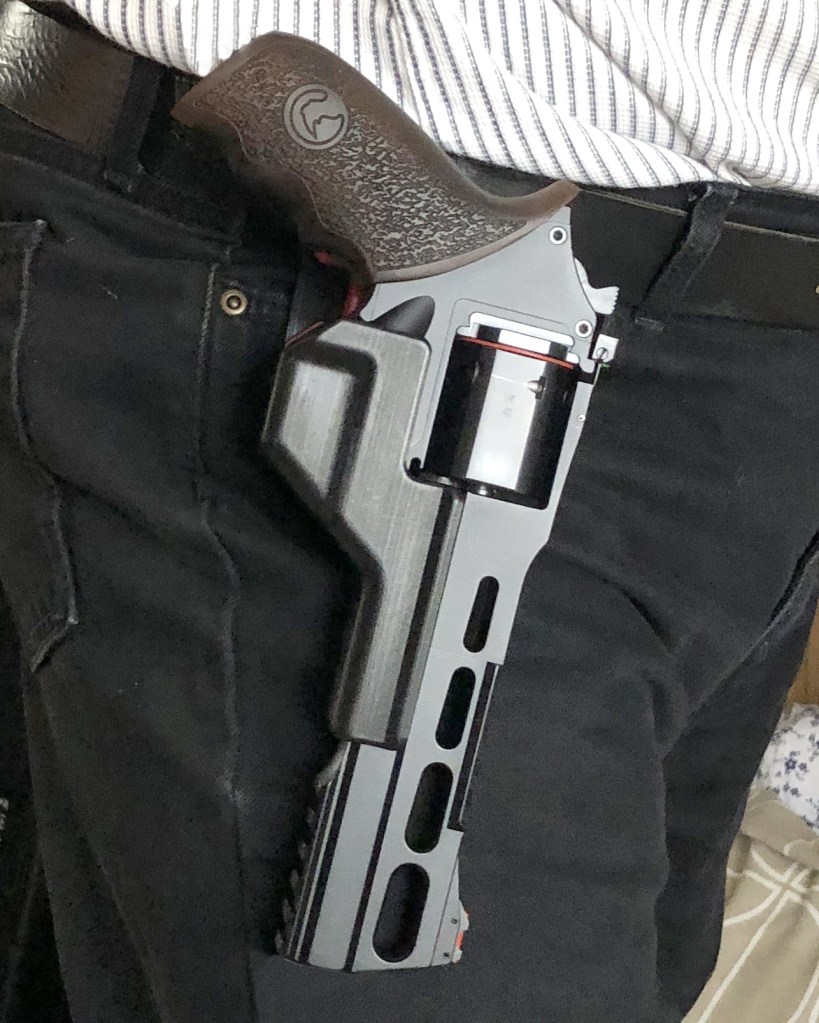
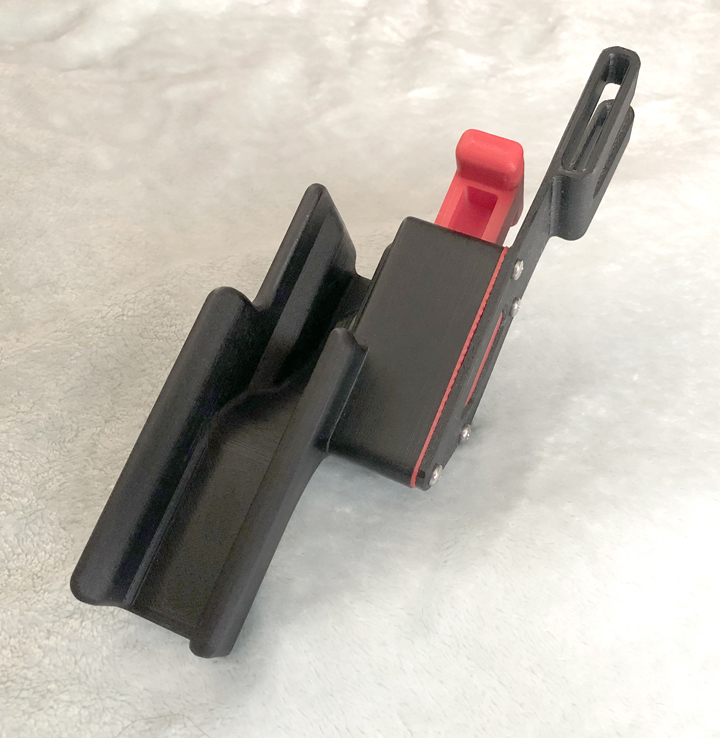
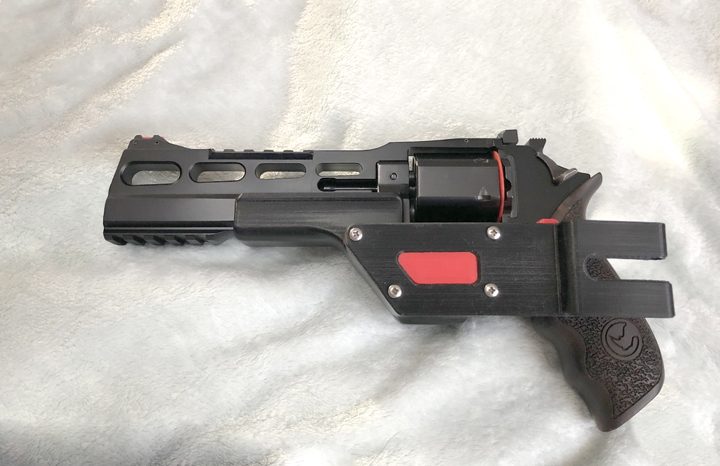
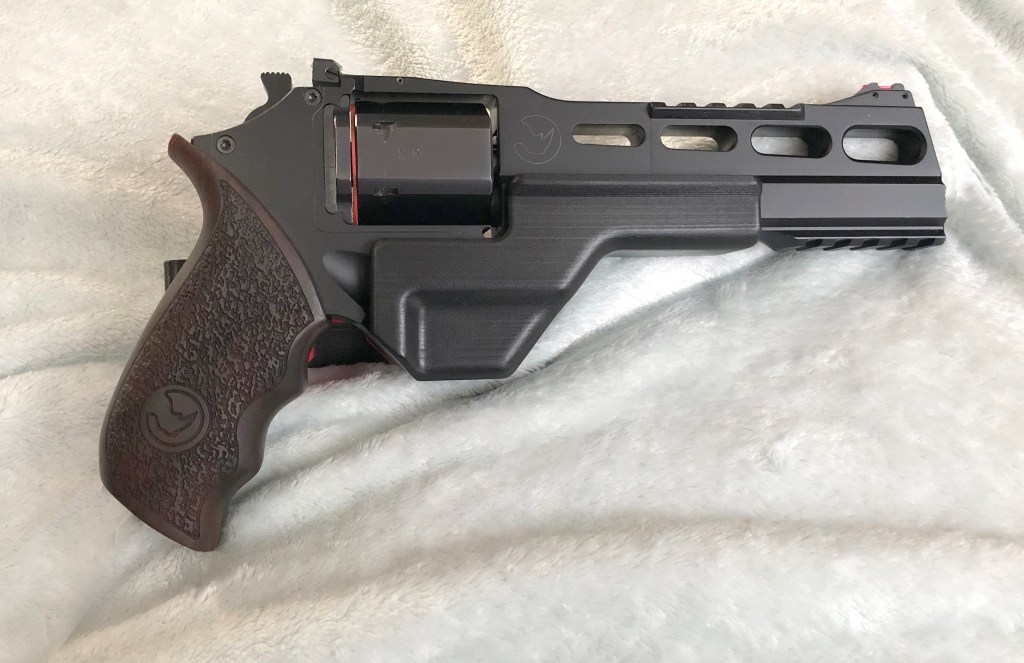
We designed a competition holster for a UK shooter who wanted to try his Chiappa Rhino in an upcoming timed and precision handgun competition. In the UK, firearms legislation requires revolvers of this type to have barrel and stock extensions, presumably so they are not easily carried. The shooter had tried other holsters and wanted a holster that offered greater safety out on the range. The shooter required the revolver to have a totally closed off the trigger and to be secured in-holster with a mechanical interlock.
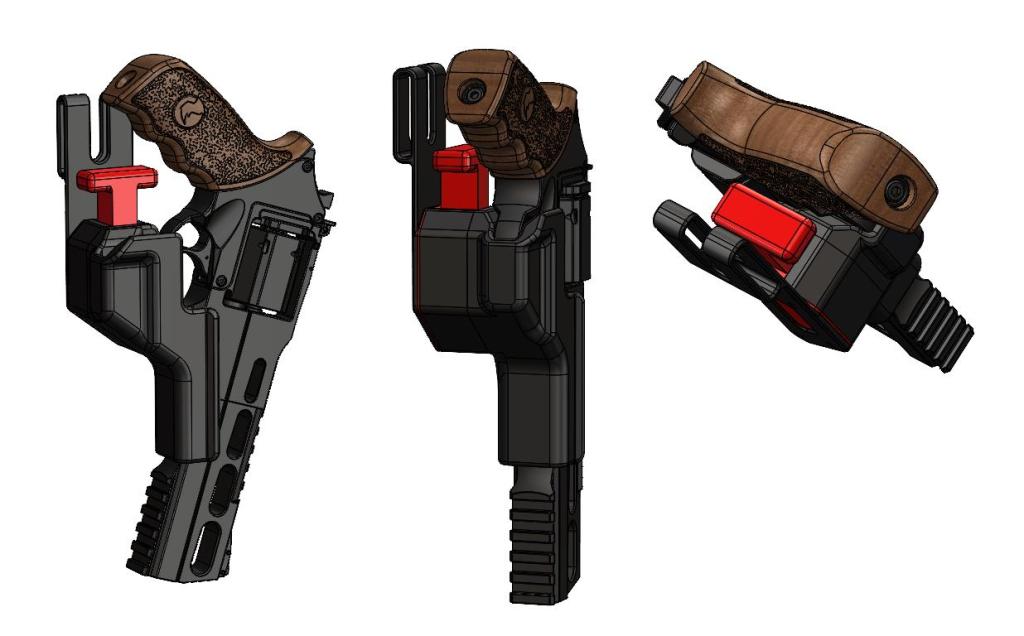
The design stage began with an assessment of the shooters grip and placement of their fingers to inform how the lock and release operation would function. We next created an accurate external CAD model of the revolver around which the holster and its mechanism could be added.
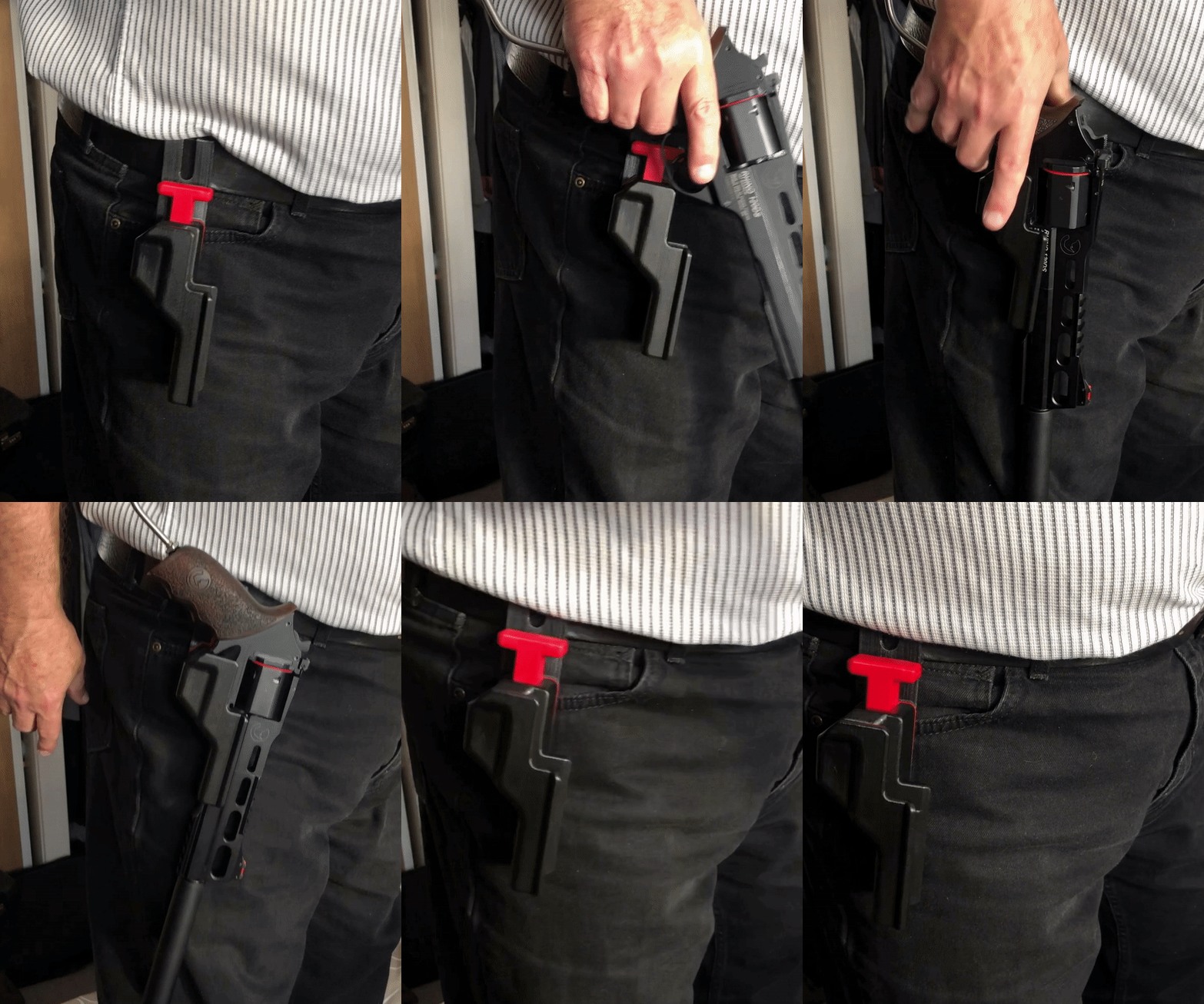
The mechanism is operated by an ergonomically placed push bar that is operated by slightly moving the thumb off the grip during the draw and holstering movements to open the lock and allowing the revolver to be moved in or out.
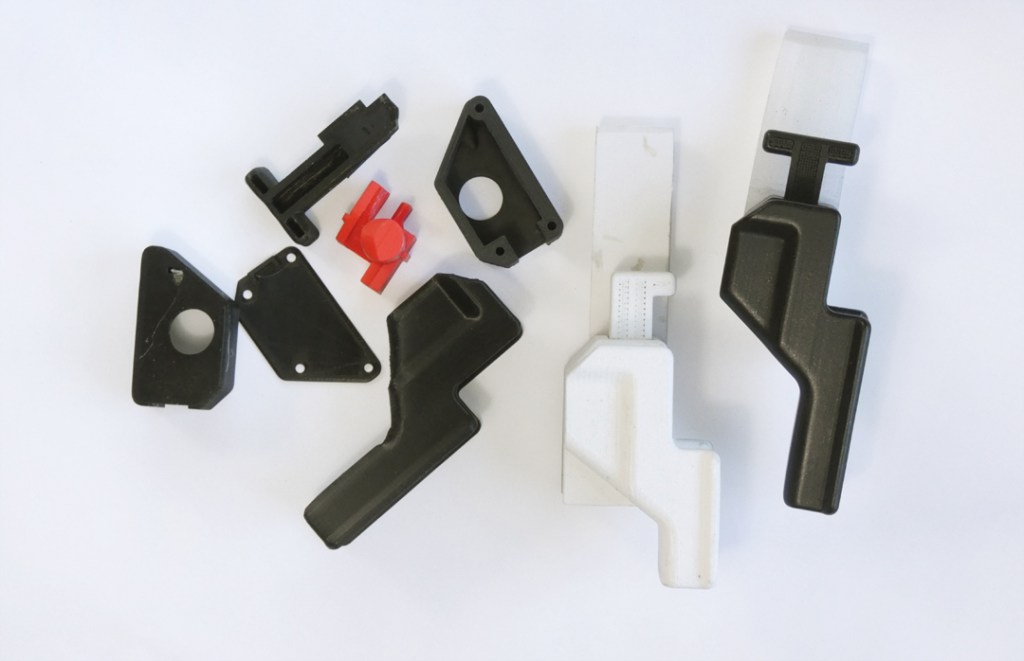
Several prototypes and range day tests with 3D printed prototypes refined the design to create a slick and secure holster that the revolver cannot be accidentally disengaged from.
DE-CRIMPER

READ MORE ABOUT THE DE-CRIMPER
Reloaders who crimp their brass cartridge cases find that the crimping can be difficult to flatten out sufficiently so the next bullet will seat without marring. Reworking the brass using expanders and then reducing with bushing does not do the task 100% and hardens the brass leading to premature failure.
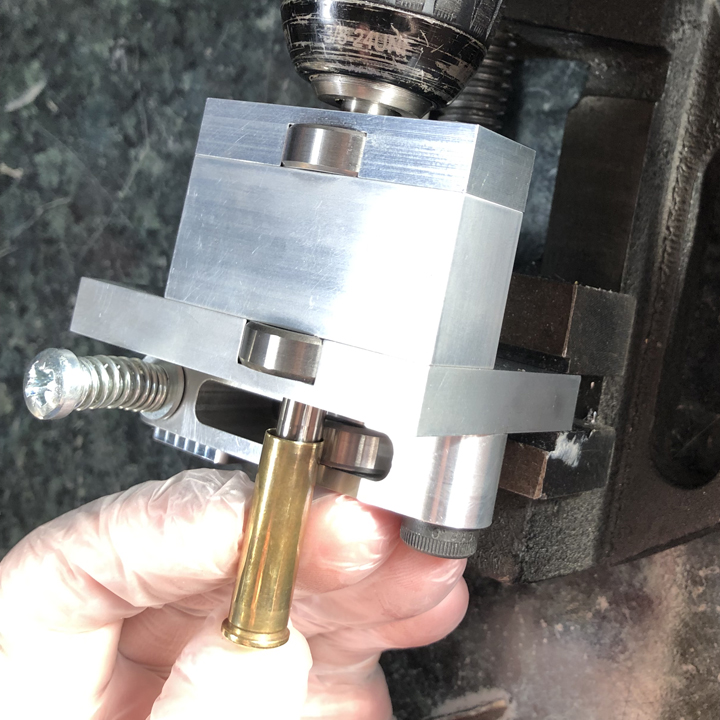
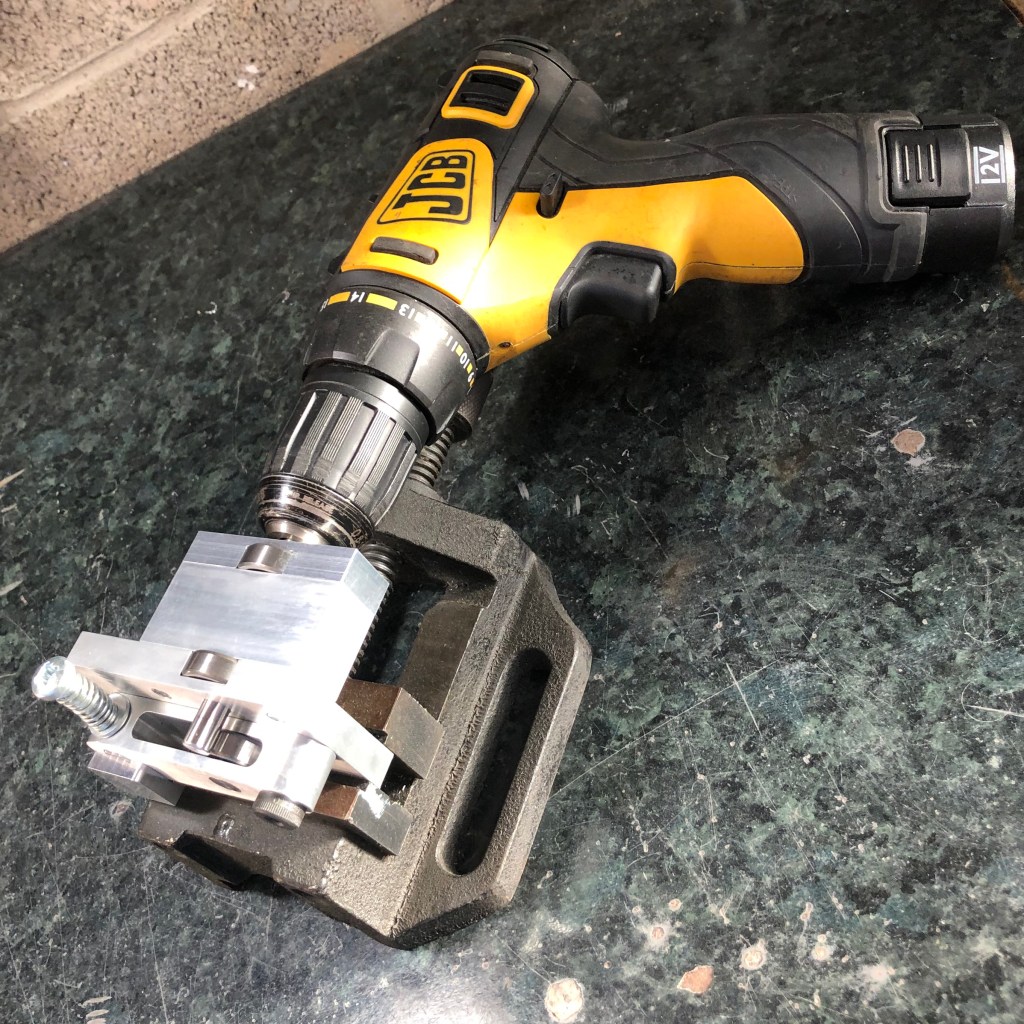
We developed a solution that uses a powered mandrel that runs parallel to a freely rotating wheel. The gap between the mandrel and freely rotating wheel is adjustable to suit the thickness of the neck and the parallel squeezing action gently reforms the neck back to parallel in a couple of rotations of the case without over working or stretching it.
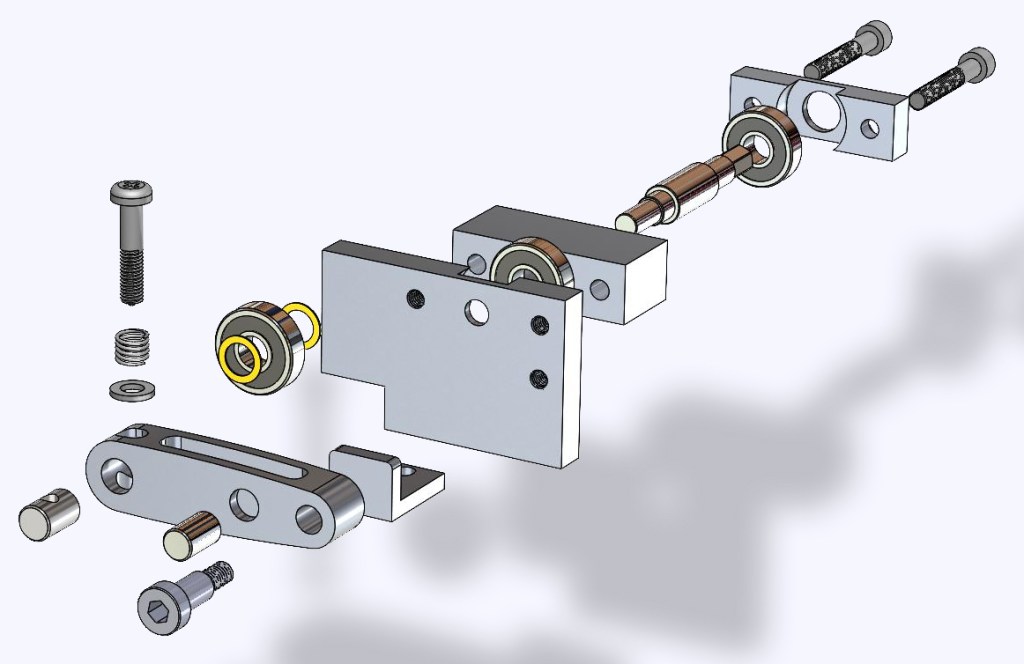

The de-crimper works on cases from 30cal upwards and is particularly useful for parallel sided brass cases.
The de-crimper automatically feeds and ejects the case by adjusting the angle at which the case is engaged onto the mandrel. The next step is to add a power unit similar to that used on the power neck turner.
 BETTER BANG ACCESSORIES